Source US Plug Extension Cord for Home, Office, and Travel
Explore 30 listings for the us plug extension cord, featuring copper conductors and PVC sheaths. Compare options with UL, CE, and CCC certifications to find suitable power supply solutions for various applications; compare the available evidence and request quotations based on your requirements.
Key considerations
Products List






Comprehensive Sourcing Guide
US Plug Extension Cord Sourcing Guide
Sourcing US plug extension cords requires careful attention to the specific electrical interface standards and regional safety requirements that define the product's compatibility. Buyers must verify that the listed plug type matches the US standard, as the observed data confirms the availability of US Plug configurations alongside other international variants like British Standard plugs. This distinction is critical because a mismatch in plug geometry or pin configuration can render the product unusable in the target market, leading to immediate rejection of the shipment.
Procurement teams should also scrutinize the rated voltage and current specifications to ensure the cord can safely handle the intended load without overheating. The observed listings indicate products with rated voltages of 250V and 300/500V, alongside current ratings of 10A, which are typical for general power supply applications. However, buyers must confirm that the specific model number, such as CDL-242 or HM-P31, aligns with their power frequency requirements of 50 to 60 Hz to guarantee reliable performance in their specific operational environment.
Product Scope and Observed Listing Signals
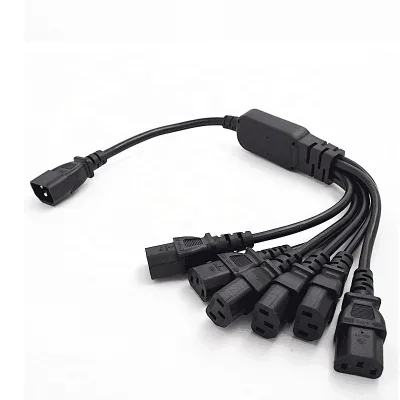
The market for US plug extension cords presents a diverse range of product types, from simple power cords to specialized Y-splitter configurations like the C20 to C13 model. Buyers should expect to encounter variations in sheath materials, with PVC being a common choice for the outer insulation, while conductor materials are consistently observed as copper to ensure optimal conductivity. Understanding these material compositions is essential for evaluating the durability and flexibility of the cord, especially when the application involves frequent movement or high mechanical stress.
Listing signals also reveal significant variation in packaging and customization options, which directly impacts logistics and branding strategies. The observed data shows that products are often packed in export cartons with quantities ranging from single items to 12 pieces per carton, though some suppliers offer customized packing solutions. Additionally, the availability of customization allows buyers to tailor the product to specific needs, but it is important to note that not all listed items support private molds, which may limit branding opportunities for certain suppliers.
Technical Specifications to Verify
Technical verification must begin with the physical interface, ensuring the plug type is strictly US compliant and the interface type matches the intended connection point. The observed listings confirm the presence of US Plug interfaces, but buyers must cross-reference this with the specific model numbers and shape descriptions, such as EP or Three-Pole configurations, to avoid receiving incompatible hardware. This step is vital because the physical shape of the plug determines whether it will fit into the wall outlet or the device socket without forcing or modification.
Electrical performance parameters require equally rigorous scrutiny, particularly regarding the rated voltage, current capacity, and power frequency. While some products list a rated voltage of 250V and others 300/500V, the buyer must ensure the selected cord matches the specific voltage requirements of their equipment to prevent insulation breakdown. Furthermore, verifying the payload capacity, which ranges from 0.5 to 1.5 kW in observed data, ensures the cord can safely support the connected load without exceeding its thermal limits during continuous operation.
Compliance and Safety Documentation
Compliance verification is paramount when sourcing electrical components, as the safety of the end-user depends on adherence to recognized international and regional standards. The observed product data indicates a mix of certifications, including UL, CCC, CE, and RoHS, which suggests that different suppliers may target different regulatory markets. Buyers must explicitly request and validate the specific certification documents for the exact model they intend to purchase, as the presence of one certification does not guarantee that the entire product line meets all necessary safety requirements.
Documentation review should also extend to the material safety and environmental compliance of the insulating and sheath materials used in the construction. The listings mention insulating materials like polystyrene and sheath materials like PVC, which must be verified against the relevant safety standards to ensure they do not release harmful substances under normal operating conditions. Confirming that the product meets RoHS standards is particularly important for markets with strict environmental regulations, ensuring that the cord is free from hazardous substances that could pose a risk to health or the environment.
Cost Drivers and Commercial Terms
Cost drivers in the US plug extension cord market are heavily influenced by the raw material composition, specifically the use of copper conductors and the quality of the PVC sheath. Buyers should anticipate that products with higher copper content and superior insulation materials will command a higher price point, reflecting the increased cost of goods and the enhanced safety profile. Additionally, the complexity of the design, such as the inclusion of Y-splitter functionality or custom mold requirements, can further impact the unit price and should be factored into the total cost of ownership.
Commercial terms, including Minimum Order Quantity (MOQ) and lead times, vary significantly across the supplier base and must be negotiated based on the buyer's volume requirements. The observed data shows an MOQ range from 1 to 10,000 units, with specific listings indicating an MOQ of 300 pieces for certain models. Buyers should clarify the packaging details, such as whether items are packed in export cartons of 12 pieces or in bulk, as this affects shipping efficiency and storage costs, and ensure that the supplier can meet the required delivery schedule without compromising quality.
Supplier Qualification and Quality Control
Supplier qualification should focus on verifying the origin of the product and the manufacturing capabilities of the facility, as the observed data points to origins in Guangdong and Shanghai, China. Buyers must confirm that the supplier has the necessary infrastructure to produce consistent quality, especially given the variation in product standards observed, which range from standard to customized specifications. It is advisable to request a factory audit or a detailed quality control plan to ensure that the production process adheres to the claimed standards and that the final products meet the required electrical and mechanical specifications.
Quality control measures must be established to monitor the consistency of the product attributes, such as the plug type, color, and rated voltage, across all production batches. The observed listings show that some products are single items while others are part of a larger set, and the buyer must ensure that the quality control process accounts for these variations. Implementing a rigorous inspection protocol, including pre-shipment inspections and random sampling, is essential to catch any deviations in the product specifications before the goods leave the factory, thereby minimizing the risk of receiving non-compliant or defective items.
Long-Term Procurement Checks
Long-term procurement success relies on establishing a robust relationship with suppliers who can consistently deliver high-quality US plug extension cords that meet evolving market demands. Buyers should prioritize suppliers who demonstrate flexibility in customization and have a track record of maintaining stable production standards over time. This stability is crucial for maintaining a reliable supply chain, especially when the product is integral to the buyer's core operations, such as power supply for lamp tube factories or general power distribution.
Continuous monitoring of the product performance and supplier compliance is necessary to ensure that the long-term partnership remains beneficial for both parties. Buyers should regularly review the supplier's certification status and update their knowledge of any changes in safety standards or regulatory requirements that might affect the product. By maintaining open communication and conducting periodic quality audits, buyers can proactively address any potential issues and ensure that the US plug extension cords continue to meet the highest standards of safety and performance throughout the lifecycle of the procurement contract.
FAQs
How is the us plug extension cord packed for export shipments?
Packing is done in export cartons, with some listings showing KK export carton and others showing 12 pieces per carton. Actual carton configuration depends on the specific model and order quantity, so confirm the packing plan with the supplier before ordering. Export carton packing protects cords during sea or air freight and supports single-item selling units.
What customization options are available for a us plug extension cord?
Customization is available on listed products. You can request custom lengths, plug configurations, and specification details, since some items are listed with a customized standard and customized size. Copper conductors with PVC sheathing are the base build, so any custom request should specify conductor gauge, length, and required plug type to receive an accurate quotation.
Which certifications apply to the us plug extension cord products listed?
Listed products show certifications including UL, CCC, and ISO with copper conductors, and some items reference CE and RoHS. Certification varies by product, so check the certification field on each listing and request the corresponding test documents from the supplier. Matching the certification to your destination market requirement is essential before placing an order.
What materials are used in the us plug extension cord construction?
The cords use copper conductor material with a PVC sheath, and some items list polystyrene as insulating material. Copper provides reliable conductivity while the PVC sheath insulates and protects the cable. Rated voltage figures shown include 300/500V and 250V depending on the model, so confirm the exact construction and rating for the model you intend to buy.
Can I order a small quantity of us plug extension cord for a trial purchase?
Yes, minimum order quantities vary across listings. Some products show an MOQ of 300 pieces, while the observed MOQ range spans from 1 to 10000 pieces depending on the item. This means trial orders are possible from certain suppliers. Confirm the MOQ on the specific listing and ask about sample availability before committing to a full order.
How do I choose the right rated current and voltage for my application?
Match the cord rating to your load. Listed figures include 250V rated voltage with 10A rated current, suitable for loads in the 0.5 to 1.5 kilowatt range shown for related plugs, plus 300/500V rated cords. Check your device power draw and destination mains standard, then select a cord whose rating exceeds your maximum load with margin.
What product types and models are listed under us plug extension cord?
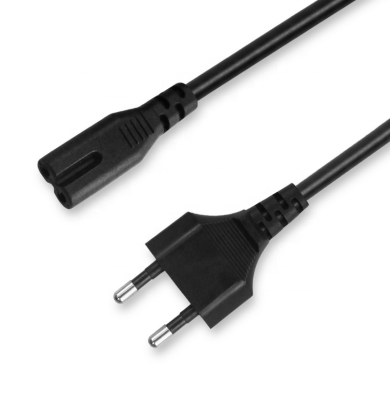
Listings cover power cord extension cords, a C20 to C13 Y splitter power cord, and three-pole plug power cords, with model numbers such as CDL-242, AL12+AL13, AL-01+AL-02, and HM-P31. Products come from Guangdong and Shanghai in China. Review the model specification on each listing to identify the plug style, splitter configuration, and rating that fits your requirement.
Which standards should a us plug extension cord meet for my market?
A US plug extension cord should comply with the plug and safety standard of your destination market. Listed products reference US plug type, British Standard, UL certification, and CCC certification, showing that suppliers can produce to different standards. Confirm the required standard for your market, then request proof that the specific model has been certified to that standard.